

Tips for Engineering Complex Aerospace Assemblies
In particular for aerospace and defense parts and assemblies, which are high-complexity and high-precision, designing for manufacturability is just as important as designing for performance.
The more complex the parts and assemblies, the more likely OEM engineers are to run into production delays, increased costs, or a need for rework. Designing for manufacturability helps bridge the gap between complexity and efficiency, so even the most difficult and costly parts and assemblies can be built to spec, on time, and within budget.
In this post, we offer six tips for OEM engineers for balancing performance needs with real-world manufacturability.

1. Bring Manufacturing Into the Design Process at the Beginning
Manufacturability challenges often occur because product designs are finalized before production teams are brought into the process. Late-stage design feedback can cause costly issues – and costly production delays.
By involving all concerned parties at the start, you ensure that both the design intent and the machining, assembly, and testing needs are met for all mission-critical aerospace and defense parts and assemblies.
Pro Tip: Practice cross-functional collaboration and bring manufacturing engineers in at the concept stage to provide feedback on production feasibility, machining strategy, material availability, and tooling requirements.
2. Streamline Designs Without Sacrificing Performance
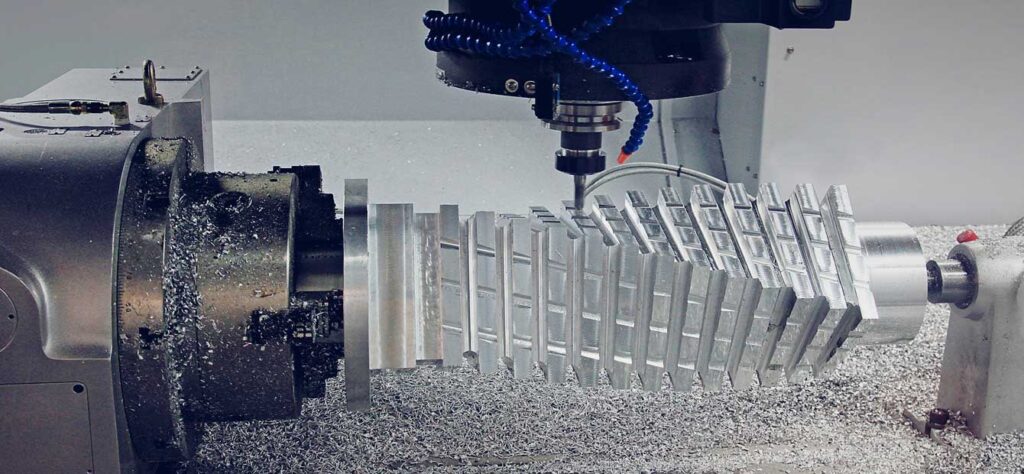
Design intricacies are crucial for optimizing the performance of aerospace and defense parts and assemblies, and these complex geometries are fabricated for weight reduction, increased strength, and optimized aerodynamic efficiency.
However, unnecessary intricacy or over-detailing can hinder precision machining and assembly by requiring multiple tool changes or secondary operations, and making parts and assemblies less repeatable.
Designing for manufacturability adds a layer of consideration to each feature, including:
- Does the complexity add functional value?
- Can the feature be reliably and efficiently machined?
- Is there an opportunity to streamline designs and simplify manufacturability?
Pro Tip: Implement a design for manufacturability approach, evaluating each feature to determine whether its complexity is necessary or will slow down or hinder production.
3. Consider Performance and Machinability when Selecting Materials
The materials used in aerospace and defense parts and assemblies must meet strict strength, heat-resistance, and weight requirements, among other factors. If you’re employing a designing for manufacturability approach, the most obvious options for high-performance materials, such as titanium or Inconel, may not actually be the best options when it comes to manufacturability.
Evaluate material selections to understand if they present machining challenges that could increase cycle times or cause tool wear. Inconel, for example, is a hard and abrasive material, and requires slower cutting speeds on more specialized tools.
Pro Tip: When possible, collaborate across teams to explore alternate alloys or material grades that maintain performance while improving machinability, maintaining production timelines, and ensuring cost-effectiveness.
4. Apply Standardizations Where Possible
Despite every aerospace and defense part having its own unique design, there are features like hole sizes, fasteners, and interfaces across assemblies that can be standardized across production lines.
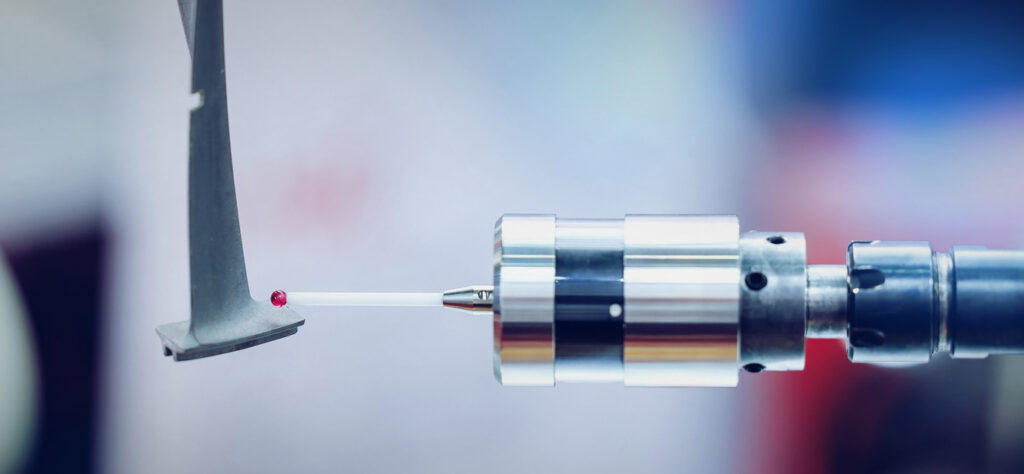
These standardizations are one component of designing for manufacturability as doing so helps reduce lead times, simplify quality control, lower costs, and streamline tooling and inspection processes.
Pro Tip: Reference existing internal standards and design libraries to minimize the need for custom setups or specialized tooling.

5. Design for Tolerances That Match Manufacturing Capabilities
At Primus, our precision machining services are designed for even the most difficult tolerances and designs in the aerospace and defense industries; however, not every manufacturer can specify tight tolerances, and doing so can result in unnecessary production challenges and higher costs.
For OEM engineers, understanding your manufacturer’s precision machining capabilities ensures tolerances are realistic and achievable without compromising production – or performance.
Pro Tip: Collaborate early in the design phase on the cumulative impact of part tolerances on the overall assembly requirement. This early review will help determine where precision is critical and where it can be relaxed.

6. Support an Entire Plan for Assembly and Integration
Designing for manufacturability doesn’t just impact part design. It is also an excellent approach to engineering complex assemblies involving multiple components. Using a designing for manufacturability approach can help you implement a system-level methodology, and is best used in conjunction with a designing for assembly approach, which focuses on optimizing the entire assembly process.
Here are a few ways designing for manufacturability supports your entire plan for assembly and integration:
- Simplifying at the System-Level. Designing for manufacturability helps reduce part counts by integrating multiple components into a single, multi-functional parts. It can also enable more modular designs for greater product flexibility and faster, more cost-effective assembly of individual components.
- Assembly Process Optimizations. With early cross-collaboration a cornerstone of designing for manufacturability, OEM engineers can more effectively determine the most efficient assembly sequence and simplify the overall production process. Designing for manufacturability also encourages poka-yoke to reduce costly rework and errors, automation for higher-quality products, and greater consideration of accessibility and tool clearance. These factors all optimize the assembly process and help reduce labor costs and downtime and increase production speed and quality.
- Supply Chain and Cost Management. By considering the material selections, tooling needs, and manufacturing processes through a design for manufacturability model, OEM engineers can cut down on redesigns and overruns; ultimately benefitting the supply chain and cost management. Selecting readily-available materials that are most appropriate for the part and assembly help reduce costs, wasted time, and lead time issues.
- Quality and Lifecycle Considerations. Designing for manufacturability incorporates steps that enhance quality control and testing, and consider the full lifecycle of parts and assemblies from future maintenance and repair to end-of-life disassembly or recycling. Combined with cross-collaboration, OEM engineers can lower warranty costs and even reduce environmental impact through consistent and reliable product performance.
Pro Tip: Use digital mock-ups and tolerance analysis tools to ensure parts align properly during assembly and that inspection and maintenance can be performed efficiently.
Designing for Manufacturability Means Designing for Precision and Efficiency
A design can be exceptional – but it must also be manufacturable.
Designing for manufacturability, which inherently includes cross-collaboration among experienced manufacturing teams, ensures OEM engineers can deliver high-complexity and high-quality parts and assemblies that meet mission-critical demands while also focusing on efficiency, integration, and repeatable production.
At Primus Aerospace, our team works side by side with OEM engineers to optimize designs for manufacturability without compromising performance. From complex machined components to integrated assemblies, our precision manufacturing expertise helps transform visionary designs into mission-ready parts.
