

Mapping the Journey of Every Part to Final Product
Because every part and component for a final aerospace system must operate with the utmost safety, performance, and reliability, Full traceability – tracking a part from raw material to its place in the finished product – is non-negotiable to ensure quality can be proven through the entire journey.
Traceability is not just a safeguard in case a part fails or has an issue in use – it provides a complete, verifiable record of a part’s journey through the manufacturing lifecycle that can be referenced at any time. Traceability is essential for compliance requirements, ensuring mission-critical performance, and delivering uncompromising quality standards.
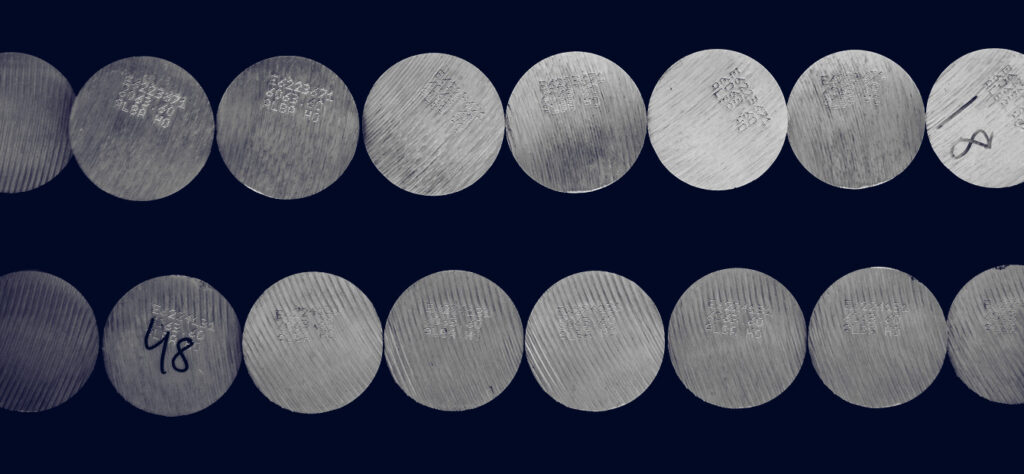
The Role of Traceability in Safety and Performance
Traceability means the tracking of every document for every step of a part’s lifecycle, including:
- Raw material sourcing and certifications
- Lot and heat numbers
- Manufacturing processes and machine operations
- Inspection and testing records
- Operator accountability
- Nonconformance and corrective actions
- Final inspection, packaging, and delivery
This detailed documentation ensures that every part can be traced from its origin to its installation, essentially creating a closed loop of accountability through the supply chain.
Because aerospace parts operate under extreme conditions, failure is not an option. Traceability plays an important role in product integrity. Allowing manufacturers to prove part and component quality in several ways:
- Establishing verifiable material integrity: Traceability ensures manufacturers use the correct alloys, treatments, and specifications for each application.
- Identifying root causes quickly: If an issue does arise, traceability allows rapid isolation of affected parts without grounding entire systems.
- Preventing the proliferation of defects: Traceability enables rapid containment of issues at the source before they impact downstream assemblies or customers.
Without full traceability, even a minor anomaly can escalate into a major safety risk, costly recall, or – at worst – mission failure.

Holding Manufacturers Accountable at Every Stage
Traceability assigns responsibility and transparency to every step of the manufacturing process. Each operation, inspection, and approval is documented and linked to a specific part, process, and operator.
Particularly in aerospace manufacturing, a high level of accountability helps strengthen quality assurance programs, supports continuous improvement initiatives (such as Lean Six Sigma), builds confidence with OEMs and other customers, and demonstrates operational discipline across teams and suppliers.
Trust, transparency, and quality are paramount for OEM and supplier relationships, and traceability is a significant way to uphold accountability at all stages of the manufacturing process for every part and component.
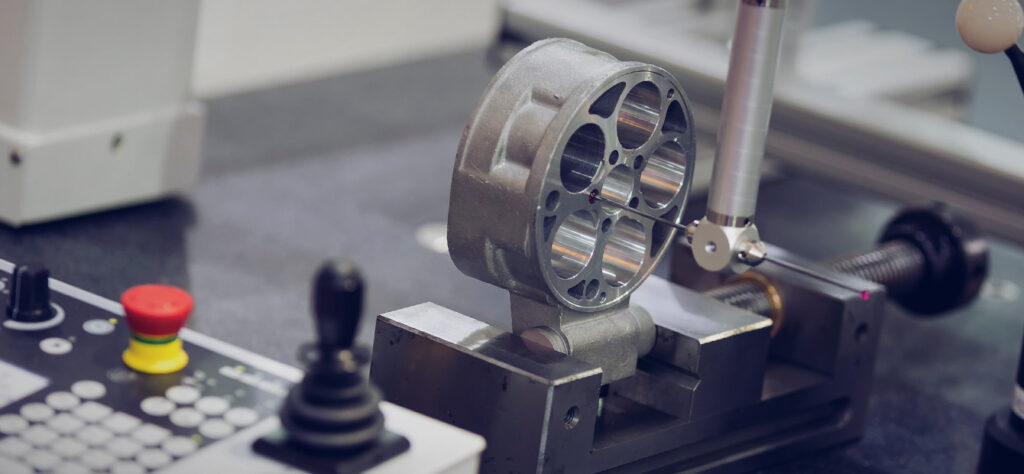
Traceability and Compliance: Meeting Rigorous Requirements
Regulatory frameworks such as AS9100, ISO 9001, ITAR, and customer-specific compliance requirements demand rigorous traceability. Auditors and customers expect clear, accessible documentation that proves every part was manufactured exactly to specification.
Robust traceability systems help manufacturers pass audits, maintain compliance, respond quickly to customer inquiries, and establish consistency across processes – especially important for preventing variation in tight tolerance parts and assemblies.
Compliance is an ongoing commitment, and traceability is one way to make that commitment measurable and defensible.

Traceability as a Supply Chain Advantage
Visibility is critical in today’s fast and rapidly evolving aerospace supply chain landscape – OEMs and Tier 1 suppliers rely on manufacturing partners who provide transparent documentation from raw part to finished product .
How does traceability help the supply chain? In addition to positioning your manufacturing company as a trusted, long-term partner, it helps better integrate your processes into your customers’ quality systems.
Robust documentation also makes approvals easier – so projects can begin faster – and reduces risk across multi-tier supply chains, including during any disruptions or investigations.
At Primus Aerospace, traceability is embedded into every phase of production. From raw material verification through precision machining, inspection, and final delivery, every part is documented, monitored, and validated.
Our disciplined quality management systems ensure
- complete material and process traceability
- real-time visibility into production status
- strict adherence to customer and regulatory requirements
- confidence that every part is ready for mission-critical performance
This commitment to traceability reflects our broader dedication to precision, accountability, and excellence in aerospace and defense manufacturing.
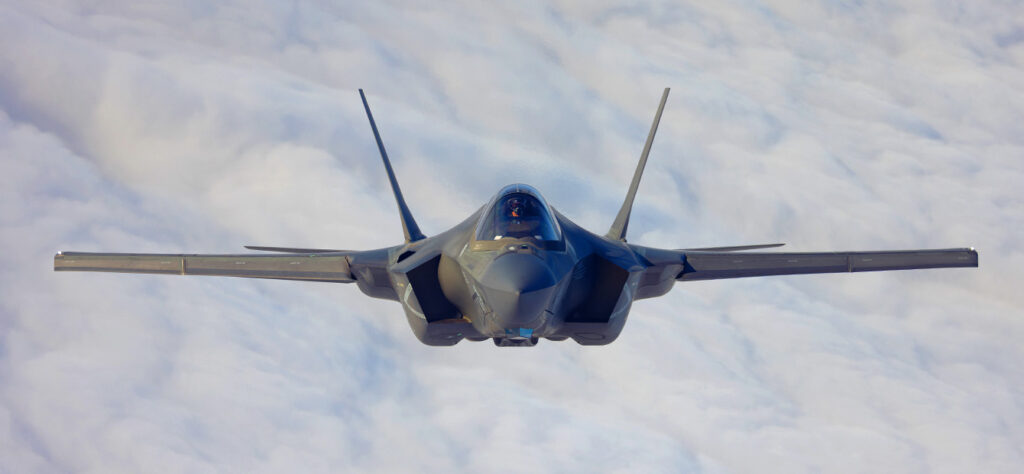
Making Every Part’s Journey a Path to Mission Success
A part’s manufacturing journey is just as important as its final form, but that journey is not provable without traceability. Aerospace manufacturers need to demonstrate that every part’s journey is documented, controlled, and repeatable, ultimately ensuring the safety, compliance, and reliability of every manufactured part, no matter how small.
Traceability is a non-negotiable component of high-stakes aerospace manufacturing. Ensure your company is delivering parts that perform flawlessly – and have the documentation to prove that performance.
